
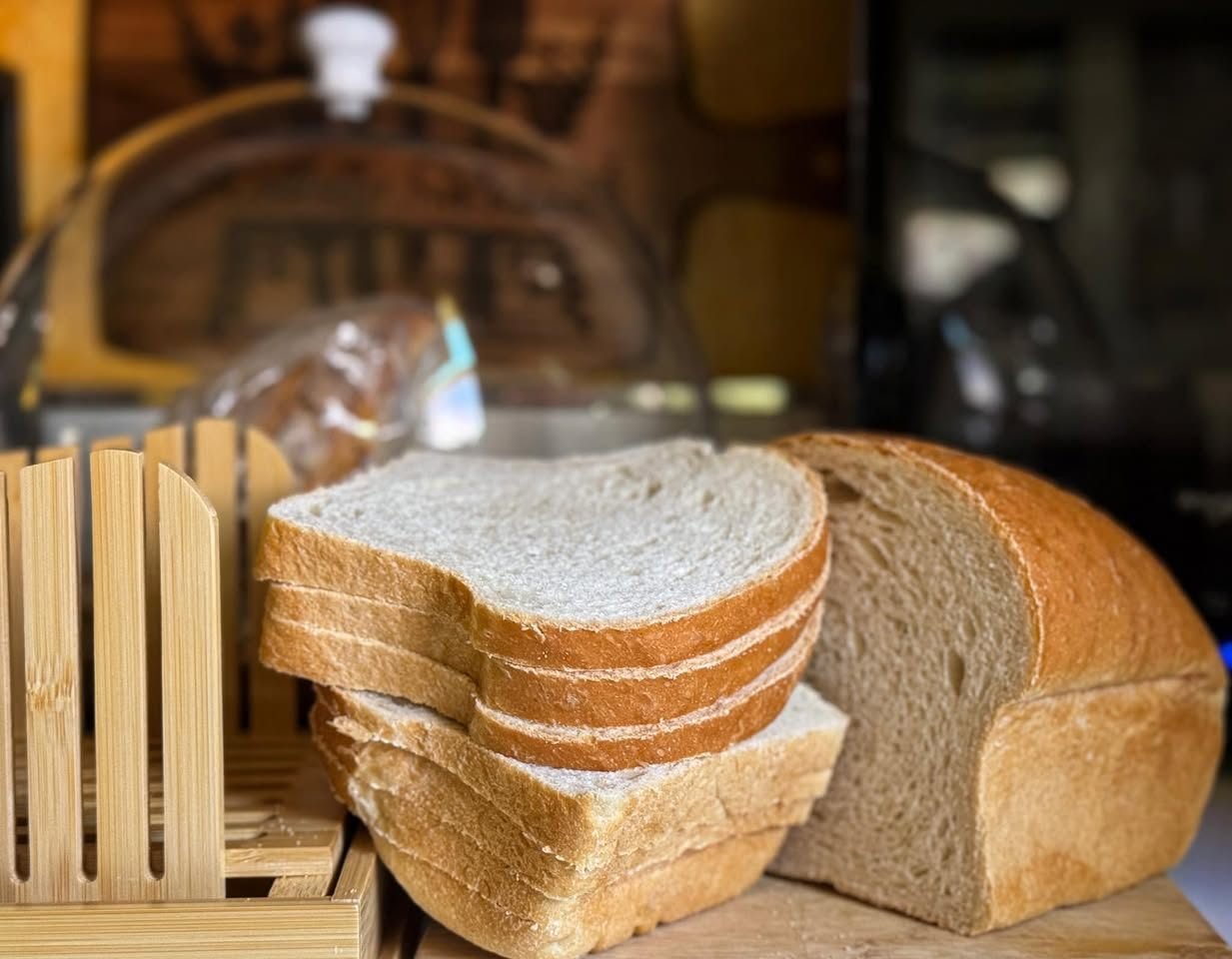
Gluten-Free Keto Sourdough Bread Recipe: A Detailed Guide
Bread has long been a central component of human diets, symbolizing comfort, nourishment, and tradition. However, modern dietary needs have significantly altered how bread is made and consumed. For individuals following gluten-free or ketogenic lifestyles, traditional bread is no longer an option due to its high carbohydrate content and reliance on wheat-based gluten. In response, innovative recipes have emerged that preserve the essence of bread while aligning with contemporary health requirements. One of the most remarkable of these innovations is the gluten-free keto sourdough bread recipe.
This recipe combines three powerful dietary concepts—gluten-free baking, ketogenic nutrition, and sourdough fermentation—into a single loaf that is nutritious, flavorful, and functional. This essay presents a comprehensive discussion of the recipe, including ingredient selection, starter preparation, step-by-step baking method, scientific principles, challenges, and nutritional benefits.
Understanding the Purpose of the Recipe
A gluten-free keto sourdough bread recipe is designed to achieve several goals simultaneously. First, it must exclude gluten-containing grains such as wheat, barley, and rye. Second, it must remain low in net carbohydrates to support ketosis. Third, it must utilize natural fermentation to develop flavor, texture, and digestibility.
Achieving all three goals in a single recipe is challenging. Gluten provides elasticity, carbohydrates fuel yeast fermentation, and keto-friendly ingredients behave very differently from traditional flour. Therefore, every component of this recipe is carefully chosen to mimic the structure and taste of conventional sourdough bread while maintaining dietary compliance.
Ingredients and Their Functional Roles
The success of gluten-free keto sourdough bread depends largely on ingredient selection. Each ingredient serves a specific structural, nutritional, or flavor-related purpose.
Almond Flour
Almond flour is the primary base of the recipe. It is low in carbohydrates and high in healthy fats, protein, and micronutrients such as vitamin E and magnesium. Its fine texture allows it to blend smoothly into dough, providing a mild, nutty flavor that complements sourdough fermentation.
Coconut Flour
Coconut flour is added in small amounts due to its high absorbency. It enhances fiber content and helps balance moisture in the dough. Using too much coconut flour can result in dryness, so precision is essential.
Psyllium Husk Powder
Psyllium husk is the most critical ingredient in gluten-free bread recipes. It mimics the elasticity and binding properties of gluten by forming a gel when mixed with liquid. This gel traps gases produced during fermentation, allowing the bread to rise and maintain structure.
Ground Flaxseed or Chia Seeds
These seeds act as natural binders and contribute omega-3 fatty acids. They also improve crumb texture and add nutritional value.
Eggs
Eggs provide structure, moisture, and protein. They also help emulsify fats and improve the overall stability of the loaf.
Healthy Fats
Olive oil, coconut oil, or butter is used to enhance flavor and keep the bread moist. These fats align with ketogenic dietary requirements and improve mouthfeel.
Gluten-Free Keto Sourdough Starter
The sourdough starter is the heart of the recipe. Unlike traditional starters, it is made using low-carb, gluten-free ingredients. While fermentation is slower due to limited sugars, it still produces the characteristic tangy flavor of sourdough bread.
Salt
Salt enhances flavor, regulates fermentation, and strengthens the dough structure.
Warm Water
Water activates psyllium husk, hydrates flours, and supports fermentation.
Preparing the Gluten-Free Keto Sourdough Starter
Before baking the bread, a sourdough starter must be prepared. This process may take several days but is essential for authentic sourdough flavor.
To create the starter, almond flour or flaxseed meal is mixed with water and allowed to ferment at room temperature. The mixture is fed daily with fresh flour and water. Over time, natural wild yeast and beneficial bacteria develop, producing bubbles and a mildly sour aroma.
Although keto flours contain fewer fermentable sugars, patience allows microbial activity to stabilize. Once the starter is active and bubbly, it is ready to be used in the bread recipe.
Step-by-Step Recipe Method
Step 1: Mixing the Dry Ingredients
In a large mixing bowl, almond flour, coconut flour, psyllium husk powder, ground flaxseed, and salt are thoroughly combined. Proper mixing ensures even distribution and prevents clumping.
Step 2: Activating the Psyllium Gel
Warm water is added slowly to the dry mixture while stirring continuously. Psyllium husk absorbs liquid rapidly, forming a thick gel that resembles traditional bread dough.
Step 3: Incorporating Wet Ingredients
Eggs, healthy fats, and the sourdough starter are added to the mixture. The dough is mixed until smooth and cohesive. At this stage, the dough will feel dense and sticky rather than elastic.
Step 4: Fermentation
The dough is shaped into a loaf and placed in a greased or parchment-lined pan. It is then covered and left to ferment at room temperature for several hours or overnight. During this time, the starter produces gases and organic acids, enhancing flavor and texture.
Step 5: Baking
The oven is preheated to a moderate temperature. Steam may be introduced during the initial baking phase to improve crust development. The bread is baked until the crust is firm and the internal structure is set.
Step 6: Cooling
After baking, the bread must cool completely before slicing. This step is crucial, as gluten-free breads continue to firm up as they cool.
Scientific Principles Behind the Recipe
Gluten-free keto sourdough bread relies on alternative scientific mechanisms to replicate traditional bread structure.
- Gel Formation: Psyllium husk forms a network that traps gas bubbles.
- Protein Coagulation: Eggs provide stability during baking.
- Fermentation Acids: Lactic acid bacteria improve flavor and mineral absorption.
- Fat Integration: Healthy fats enhance softness and shelf life.
These mechanisms work together to compensate for the absence of gluten and starch.
Nutritional Profile of the Bread
This recipe offers numerous health benefits.
- Low Net Carbs: Suitable for ketogenic diets.
- High Fiber: Supports digestive health.
- Healthy Fats: Promote sustained energy.
- Blood Sugar Control: Low glycemic impact.
- Improved Digestibility: Fermentation breaks down complex compounds.
Compared to commercial gluten-free breads, which often contain refined starches, this recipe provides superior nutritional value.
Common Challenges and Solutions
Dense Texture
This can result from insufficient fermentation or excess psyllium husk. Adjusting hydration levels can help.
Gumminess
Overuse of psyllium or underbaking may cause gumminess. Accurate measurements and proper baking time are essential.
Weak Rise
Gluten-free dough will not rise dramatically. Allowing longer fermentation improves volume and crumb structure.
Storage and Serving Suggestions
The bread should be stored in an airtight container in the refrigerator for extended freshness. It can also be sliced and frozen for convenience.
Gluten-free keto sourdough bread pairs well with butter, avocado, eggs, cheese, or sugar-free spreads. It is suitable for sandwiches, toast, or as a side with soups and salads.
Cultural and Lifestyle Importance
This recipe represents a shift toward inclusive and mindful cooking. It allows individuals with dietary restrictions to enjoy a traditional food without compromise. It also reflects a renewed appreciation for fermentation and homemade foods in modern lifestyles.
Conclusion
The gluten-free keto sourdough bread recipe is a testament to culinary innovation and nutritional awareness. By thoughtfully combining alternative flours, natural fermentation, and ketogenic principles, this recipe creates a loaf that is both nourishing and satisfying. Though it requires patience and precision, the result is a wholesome bread that supports health without sacrificing flavor or tradition.
In an era where dietary needs are increasingly diverse, gluten-free keto sourdough bread stands as an example of how food can evolve while honoring its roots.
