
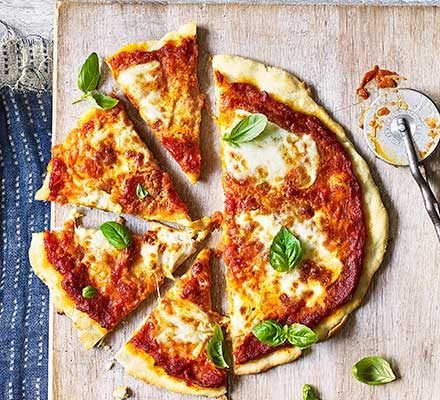
Pizza is one of the most loved comfort foods worldwide, but finding a delicious gluten-free pizza with the perfect texture can sometimes be challenging. Many gluten-free pizzas are either too dry, too crumbly, or lack the chewy texture that makes traditional pizza so enjoyable.
This Homemade Gluten-Free Pizza Recipe creates a delicious pizza with a soft, flavorful centre, crispy edges, and a sturdy crust that holds all your favourite toppings. It is easy to make at home and perfect for anyone following a gluten-free lifestyle, whether due to gluten sensitivity, celiac disease, or simply choosing gluten-free foods.
The secret to a great gluten-free pizza is using the right flour blend, adding enough moisture, and allowing the dough time to develop flavour. This recipe uses a carefully balanced combination of gluten-free flour, starches, yeast, and simple ingredients to create a pizza crust that tastes very close to traditional pizza.
You can customise this recipe with your favourite toppings, including classic mozzarella and pepperoni, vegetables, chicken, mushrooms, or a simple Margherita style with fresh basil.
Why You’ll Love This Gluten-Free Pizza Recipe
- Crispy edges with a soft centre
- Completely gluten-free
- Easy homemade pizza dough
- No complicated ingredients
- Better than many store-bought gluten-free pizzas
- Customisable toppings
- Perfect for family pizza night
- Freezer-friendly
- Suitable for beginners
- Delicious hot or cold
Preparation Time
Prep Time: 25 minutes
Resting Time: 45–60 minutes
Bake Time: 15–20 minutes
Total Time: About 1 hour 45 minutes
Servings: 2 medium pizzas
Ingredients
Gluten-Free Pizza Dough
- 2 cups (280 g) gluten-free all-purpose flour blend
- ½ cup (70 g) tapioca flour or tapioca starch
- 1 tablespoon psyllium husk powder
- 2 teaspoons instant yeast
- 1 teaspoon sugar or honey (helps activate yeast)
- 1 teaspoon salt
- 1 teaspoon garlic powder (optional)
- 1 teaspoon dried oregano
- 2 tablespoons olive oil
- 1 tablespoon apple cider vinegar
- 1 ¼ cups warm water (300 ml)
Pizza Toppings
Classic Topping
- 1 cup pizza sauce
- 2 cups shredded mozzarella cheese
- ½ cup grated parmesan cheese
- Pepperoni slices (optional)
- Fresh basil leaves
Vegetable Toppings
- Mushrooms
- Bell peppers
- Onions
- Olives
- Spinach
- Tomatoes
Equipment Needed
- Mixing bowl
- Measuring cups
- Baking tray or pizza stone
- Baking paper
- Spatula
- Rolling pin
- Oven
Step-by-Step Instructions
Step 1: Prepare the Yeast Mixture
In a small bowl, combine:
- Warm water
- Sugar or honey
- Yeast
Stir gently and allow it to sit for:
5–10 minutes
The mixture should become slightly foamy.
This step confirms that the yeast is active and helps create a lighter crust.
Step 2: Mix the Dry Ingredients
In a large bowl, combine:
- Gluten-free flour blend
- Tapioca flour
- Psyllium husk powder
- Salt
- Garlic powder
- Dried oregano
Mix well.
Psyllium husk is very important in gluten-free baking because it helps replace the structure that gluten normally provides.
Step 3: Make the Dough
Add:
- Yeast mixture
- Olive oil
- Apple cider vinegar
Mix everything together using a spoon or stand mixer.
Gluten-free pizza dough will look softer and stickier than traditional pizza dough. This is completely normal.
The dough should be smooth and slightly sticky.
Step 4: Let the Dough Rest
Cover the bowl with a clean towel or plastic wrap.
Allow the dough to rest for:
45–60 minutes
in a warm place.
The dough will become slightly thicker and easier to shape.
Step 5: Prepare the Oven
Preheat oven to:
220°C (425°F)
For a crispier crust, place a pizza stone or baking tray inside while the oven heats.
Step 6: Shape the Pizza Dough
Place baking paper on your work surface.
Lightly oil your hands.
Transfer the dough onto the baking paper.
Shape into a round pizza crust using your hands or a rolling pin.
Aim for approximately:
- ¼ inch thickness for a crispy crust
- ½ inch thickness for a softer crust
Create a slightly thicker edge around the outside.
Step 7: Pre-Bake the Crust
Bake the plain crust for:
8–10 minutes
Pre-baking helps prevent a soggy gluten-free pizza base.
Step 8: Add Pizza Toppings
Remove the crust from the oven.
Spread pizza sauce evenly.
Add:
- Mozzarella cheese
- Parmesan cheese
- Your favourite toppings
Do not overload the pizza because too many toppings can make gluten-free crust soft.
Step 9: Final Bake
Return pizza to the oven.
Bake for:
10–15 minutes
until:
- Cheese is melted
- Edges are golden
- Crust is crispy
Step 10: Rest Before Slicing
Allow pizza to cool for:
5 minutes
before cutting.
This helps the crust firm up and makes slicing easier.
Tips for Perfect Gluten-Free Pizza
Use a Quality Gluten-Free Flour Blend
Not all gluten-free flours work the same.
A good blend usually contains:
- Rice flour
- Tapioca starch
- Potato starch
- Corn starch
These create better texture.
Do Not Add Too Much Flour
Gluten-free dough needs more moisture than regular dough.
Adding extra flour can make the crust dry and crumbly.
Use Psyllium Husk
Psyllium creates elasticity and helps hold the pizza together.
Pre-Bake the Crust
This is one of the best tricks for avoiding a soft or soggy pizza base.
Use High Heat
A hot oven creates a crispier crust similar to traditional pizza ovens.
Gluten-Free Pizza Variations
Gluten-Free Margherita Pizza
Ingredients:
- Tomato sauce
- Fresh mozzarella
- Basil leaves
- Olive oil
A simple classic Italian-style pizza.
Gluten-Free Chicken Pizza
Add:
- Grilled chicken
- Red onions
- Bell peppers
- Mozzarella cheese
Gluten-Free BBQ Chicken Pizza
Use:
- BBQ sauce instead of tomato sauce
- Chicken pieces
- Red onion
- Cheese
Gluten-Free Vegetarian Pizza
Top with:
- Mushrooms
- Peppers
- Spinach
- Olives
- Tomatoes
Gluten-Free Keto Pizza
For a lower-carb option, replace the flour crust with:
- Almond flour
- Mozzarella cheese
- Eggs
Storage Instructions
Refrigerator
Store leftover pizza in an airtight container for:
3–4 days
Reheating
For the best texture:
- Oven: 180°C for 8–10 minutes
- Air fryer: 180°C for 4–5 minutes
Avoid microwaving if you want a crispy crust.
Freezing
Freeze baked pizza slices for up to:
2 months
Wrap individual slices tightly before freezing.
Common Mistakes to Avoid
Using Regular Flour Accidentally
Always check labels because gluten can hide in sauces, seasonings, and toppings.
Skipping Psyllium Husk
Without a binder, gluten-free crust may crumble easily.
Adding Too Many Toppings
Heavy toppings can prevent the crust from cooking properly.
Not Preheating the Oven
A hot oven is essential for a crispy crust.
Making the Dough Too Dry
Gluten-free dough should be softer and stickier than traditional dough.
Nutrition Information (Approximate Per Serving)
Based on 8 slices:
- Calories: 260
- Carbohydrates: 38 g
- Protein: 9 g
- Fat: 8 g
- Fibre: 3 g
- Sugar: 3 g
Nutritional values vary depending on toppings and ingredients used.
Frequently Asked Questions
Is this pizza completely gluten-free?
Yes, when using certified gluten-free ingredients, this recipe is suitable for a gluten-free diet.
Can I make the dough ahead of time?
Yes. Store prepared dough in the refrigerator for up to 2 days.
Can I make this without yeast?
Yes. You can use baking powder instead, but the texture will be slightly different.
Why is my gluten-free pizza crust crumbly?
Usually because there is not enough moisture or a binding ingredient like psyllium husk.
Can I use this recipe for gluten-free pizza rolls?
Yes. Roll the dough, add cheese and fillings, then bake until golden.
Final Thoughts
This Homemade Gluten-Free Pizza Recipe proves that gluten-free baking can be delicious, satisfying, and enjoyable. With a crispy crust, soft centre, melted cheese, and endless topping options, this pizza is perfect for anyone who misses traditional pizza while following a gluten-free lifestyle.
Making pizza at home allows you to control every ingredient and create a healthier, fresher version of your favourite comfort food. Whether you enjoy a classic cheese pizza, a loaded vegetable pizza, or a creative chicken topping, this gluten-free pizza dough provides the perfect base every time.
