
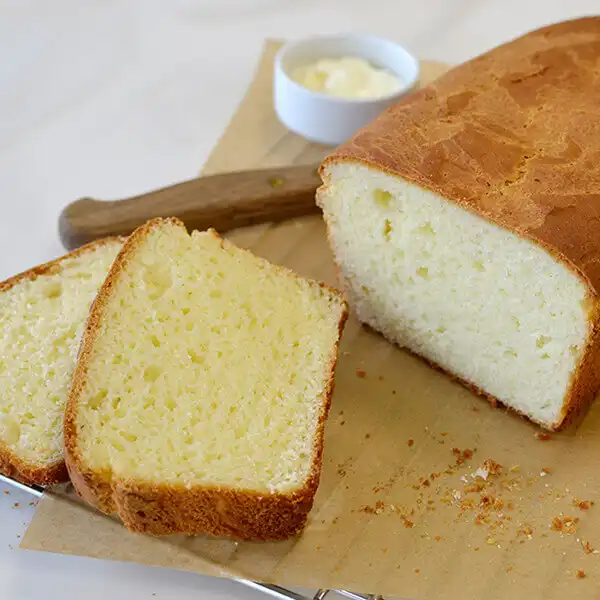
Gluten-free bread has become a staple for people with celiac disease, gluten intolerance, or anyone looking to reduce gluten in their diet. Unlike traditional bread, gluten-free bread relies on alternative flours and binding agents to create structure and softness. While making gluten-free bread can seem intimidating at first, the right ingredients and techniques make it easy to bake delicious loaves at home.
Classic Gluten-Free Sandwich Bread
Ingredients
- 2 cups rice flour
- 1 cup tapioca starch
- ½ cup potato starch
- 2 teaspoons xanthan gum
- 1 teaspoon salt
- 2 tablespoons sugar
- 2¼ teaspoons instant yeast
- 2 large eggs
- ¼ cup vegetable oil
- 1 teaspoon apple cider vinegar
- 1½ cups warm water
Instructions
Begin by combining the rice flour, tapioca starch, potato starch, xanthan gum, salt, sugar, and instant yeast in a large mixing bowl. Stir thoroughly so all the dry ingredients are evenly distributed.
In another bowl, whisk together the eggs, vegetable oil, apple cider vinegar, and warm water. Gradually pour the wet ingredients into the dry mixture while mixing. Beat the batter for about five minutes using a stand mixer or hand mixer. Gluten-free bread dough resembles a thick cake batter rather than traditional bread dough.
Transfer the batter into a greased 9×5-inch loaf pan. Smooth the top with a damp spatula. Cover with plastic wrap or a clean kitchen towel and allow it to rise in a warm place for 30 to 45 minutes, or until it has nearly doubled in size.
Preheat your oven to 375°F (190°C). Bake for 40 to 45 minutes until the loaf is golden brown and sounds hollow when tapped. Let the bread cool in the pan for 10 minutes before transferring it to a wire rack. Allow it to cool completely before slicing.
The result is a soft sandwich loaf perfect for toast, grilled cheese, or sandwiches.
Rustic Gluten-Free Artisan Bread
Ingredients
- 2 cups sorghum flour
- 1 cup oat flour (certified gluten-free)
- 1 cup tapioca starch
- 2 teaspoons psyllium husk powder
- 1 teaspoon salt
- 2 teaspoons instant yeast
- 1 tablespoon honey
- 2 tablespoons olive oil
- 1¾ cups warm water
Instructions
Mix all the dry ingredients together in a large bowl. Add the honey, olive oil, and warm water. Stir until a sticky dough forms.
Cover the bowl and allow the dough to rise for approximately one hour. Unlike wheat dough, gluten-free dough will not become elastic but should noticeably increase in volume.
Shape the dough into a round loaf using wet hands and place it on a parchment-lined baking sheet. Allow it to rest for another 20 minutes.
Bake in a preheated 425°F (220°C) oven for 40 to 45 minutes. For a crispier crust, place a pan of hot water on the lower oven rack to create steam.
Cool completely before cutting.
This loaf has a chewy interior with a crisp crust, making it ideal for soups, salads, and dipping in olive oil.
Soft Gluten-Free Dinner Rolls
Ingredients
- 2 cups gluten-free all-purpose flour blend
- 1 teaspoon xanthan gum (if not included in the blend)
- 2 teaspoons instant yeast
- 2 tablespoons sugar
- 1 teaspoon salt
- 2 eggs
- ¼ cup melted butter
- 1 cup warm milk
- 1 teaspoon apple cider vinegar
Instructions
Combine the flour, xanthan gum, yeast, sugar, and salt.
Whisk together the eggs, butter, milk, and vinegar. Mix with the dry ingredients until smooth.
Divide the batter evenly into a greased muffin tin or place spoonfuls onto a baking tray to form rolls.
Cover and let rise for 30 minutes.
Bake at 375°F (190°C) for 20 to 25 minutes until golden brown.
Brush with melted butter immediately after baking for extra softness.
Gluten-Free Banana Bread
Although technically a quick bread rather than yeast bread, banana bread is one of the easiest gluten-free recipes.
Ingredients
- 2 ripe bananas
- 2 eggs
- ⅓ cup melted butter
- ½ cup brown sugar
- 1 teaspoon vanilla extract
- 2 cups gluten-free flour blend
- 1 teaspoon baking soda
- ½ teaspoon salt
- 1 teaspoon cinnamon
Instructions
Mash the bananas until smooth.
Mix in eggs, butter, sugar, and vanilla.
Add the flour, baking soda, salt, and cinnamon. Stir until just combined.
Pour into a greased loaf pan and bake at 350°F (175°C) for approximately 55 minutes.
Allow the loaf to cool before slicing.
This bread stays moist for several days and is excellent for breakfast or snacks.
Helpful Baking Tips
Gluten-free baking differs from conventional bread making because gluten provides elasticity and structure. To achieve the best results:
- Use a digital kitchen scale whenever possible for accurate measurements.
- Allow the batter to rest for 10–15 minutes before baking so the flours can absorb moisture.
- Psyllium husk and xanthan gum improve texture and help prevent crumbly bread.
- Store gluten-free bread in an airtight container to keep it fresh.
- Slice and freeze leftover bread, then toast slices directly from frozen.
- Avoid adding too much flour, as gluten-free dough should remain soft and sticky.
- Eggs contribute structure and moisture, though egg replacers can be used in many recipes if needed.
Best Gluten-Free Flour Options
Different flours contribute different qualities:
- Rice flour: Light texture and neutral flavor.
- Sorghum flour: Mild sweetness and improved structure.
- Buckwheat flour: Rich, earthy flavor despite being naturally gluten-free.
- Almond flour: Adds moisture and protein.
- Oat flour (certified gluten-free): Soft texture and subtle sweetness.
- Tapioca starch: Increases chewiness.
- Potato starch: Creates a softer crumb.
- Cornstarch: Helps produce a lighter loaf.
Combining several flours and starches generally produces better results than relying on a single flour.
Common Mistakes to Avoid
Many first-time gluten-free bakers encounter similar challenges:
- Using expired yeast, which prevents proper rising.
- Skipping xanthan gum or psyllium husk when the recipe requires a binder.
- Slicing the bread while it’s still warm, which can make the crumb gummy.
- Overbaking, which dries out gluten-free bread more quickly than wheat bread.
- Expecting the dough to look or feel like traditional wheat dough—it will usually resemble a thick batter.
Conclusion
Homemade gluten-free bread can be soft, flavorful, and satisfying with the right combination of gluten-free flours, starches, and binders. Whether you prefer a classic sandwich loaf, a rustic artisan-style bread, fluffy dinner rolls, or a naturally sweet banana bread, these recipes provide a strong foundation for successful baking. As you gain experience, you can customize your loaves by adding seeds, herbs, cheese, dried fruit, or whole grains to suit your taste. With practice, you’ll be able to produce fresh, delicious gluten-free bread that rivals many store-bought options.
Gluten-Free Bread Recipe Guide (Approximately 1,000 Words)
Gluten-free bread has become a staple for people with celiac disease, gluten intolerance, or anyone looking to reduce gluten in their diet. Unlike traditional bread, gluten-free bread relies on alternative flours and binding agents to create structure and softness. While making gluten-free bread can seem intimidating at first, the right ingredients and techniques make it easy to bake delicious loaves at home.
Classic Gluten-Free Sandwich Bread
Ingredients
- 2 cups rice flour
- 1 cup tapioca starch
- ½ cup potato starch
- 2 teaspoons xanthan gum
- 1 teaspoon salt
- 2 tablespoons sugar
- 2¼ teaspoons instant yeast
- 2 large eggs
- ¼ cup vegetable oil
- 1 teaspoon apple cider vinegar
- 1½ cups warm water
Instructions
Begin by combining the rice flour, tapioca starch, potato starch, xanthan gum, salt, sugar, and instant yeast in a large mixing bowl. Stir thoroughly so all the dry ingredients are evenly distributed.
In another bowl, whisk together the eggs, vegetable oil, apple cider vinegar, and warm water. Gradually pour the wet ingredients into the dry mixture while mixing. Beat the batter for about five minutes using a stand mixer or hand mixer. Gluten-free bread dough resembles a thick cake batter rather than traditional bread dough.
Transfer the batter into a greased 9×5-inch loaf pan. Smooth the top with a damp spatula. Cover with plastic wrap or a clean kitchen towel and allow it to rise in a warm place for 30 to 45 minutes, or until it has nearly doubled in size.
Preheat your oven to 375°F (190°C). Bake for 40 to 45 minutes until the loaf is golden brown and sounds hollow when tapped. Let the bread cool in the pan for 10 minutes before transferring it to a wire rack. Allow it to cool completely before slicing.
The result is a soft sandwich loaf perfect for toast, grilled cheese, or sandwiches.
Rustic Gluten-Free Artisan Bread
Ingredients
- 2 cups sorghum flour
- 1 cup oat flour (certified gluten-free)
- 1 cup tapioca starch
- 2 teaspoons psyllium husk powder
- 1 teaspoon salt
- 2 teaspoons instant yeast
- 1 tablespoon honey
- 2 tablespoons olive oil
- 1¾ cups warm water
Instructions
Mix all the dry ingredients together in a large bowl. Add the honey, olive oil, and warm water. Stir until a sticky dough forms.
Cover the bowl and allow the dough to rise for approximately one hour. Unlike wheat dough, gluten-free dough will not become elastic but should noticeably increase in volume.
Shape the dough into a round loaf using wet hands and place it on a parchment-lined baking sheet. Allow it to rest for another 20 minutes.
Bake in a preheated 425°F (220°C) oven for 40 to 45 minutes. For a crispier crust, place a pan of hot water on the lower oven rack to create steam.
Cool completely before cutting.
This loaf has a chewy interior with a crisp crust, making it ideal for soups, salads, and dipping in olive oil.
Soft Gluten-Free Dinner Rolls
Ingredients
- 2 cups gluten-free all-purpose flour blend
- 1 teaspoon xanthan gum (if not included in the blend)
- 2 teaspoons instant yeast
- 2 tablespoons sugar
- 1 teaspoon salt
- 2 eggs
- ¼ cup melted butter
- 1 cup warm milk
- 1 teaspoon apple cider vinegar
Instructions
Combine the flour, xanthan gum, yeast, sugar, and salt.
Whisk together the eggs, butter, milk, and vinegar. Mix with the dry ingredients until smooth.
Divide the batter evenly into a greased muffin tin or place spoonfuls onto a baking tray to form rolls.
Cover and let rise for 30 minutes.
Bake at 375°F (190°C) for 20 to 25 minutes until golden brown.
Brush with melted butter immediately after baking for extra softness.
Gluten-Free Banana Bread
Although technically a quick bread rather than yeast bread, banana bread is one of the easiest gluten-free recipes.
Ingredients
- 2 ripe bananas
- 2 eggs
- ⅓ cup melted butter
- ½ cup brown sugar
- 1 teaspoon vanilla extract
- 2 cups gluten-free flour blend
- 1 teaspoon baking soda
- ½ teaspoon salt
- 1 teaspoon cinnamon
Instructions
Mash the bananas until smooth.
Mix in eggs, butter, sugar, and vanilla.
Add the flour, baking soda, salt, and cinnamon. Stir until just combined.
Pour into a greased loaf pan and bake at 350°F (175°C) for approximately 55 minutes.
Allow the loaf to cool before slicing.
This bread stays moist for several days and is excellent for breakfast or snacks.
Helpful Baking Tips
Gluten-free baking differs from conventional bread making because gluten provides elasticity and structure. To achieve the best results:
- Use a digital kitchen scale whenever possible for accurate measurements.
- Allow the batter to rest for 10–15 minutes before baking so the flours can absorb moisture.
- Psyllium husk and xanthan gum improve texture and help prevent crumbly bread.
- Store gluten-free bread in an airtight container to keep it fresh.
- Slice and freeze leftover bread, then toast slices directly from frozen.
- Avoid adding too much flour, as gluten-free dough should remain soft and sticky.
- Eggs contribute structure and moisture, though egg replacers can be used in many recipes if needed.
Best Gluten-Free Flour Options
Different flours contribute different qualities:
- Rice flour: Light texture and neutral flavor.
- Sorghum flour: Mild sweetness and improved structure.
- Buckwheat flour: Rich, earthy flavor despite being naturally gluten-free.
- Almond flour: Adds moisture and protein.
- Oat flour (certified gluten-free): Soft texture and subtle sweetness.
- Tapioca starch: Increases chewiness.
- Potato starch: Creates a softer crumb.
- Cornstarch: Helps produce a lighter loaf.
Combining several flours and starches generally produces better results than relying on a single flour.
Common Mistakes to Avoid
Many first-time gluten-free bakers encounter similar challenges:
- Using expired yeast, which prevents proper rising.
- Skipping xanthan gum or psyllium husk when the recipe requires a binder.
- Slicing the bread while it’s still warm, which can make the crumb gummy.
- Overbaking, which dries out gluten-free bread more quickly than wheat bread.
- Expecting the dough to look or feel like traditional wheat dough—it will usually resemble a thick batter.
Conclusion
Homemade gluten-free bread can be soft, flavorful, and satisfying with the right combination of gluten-free flours, starches, and binders. Whether you prefer a classic sandwich loaf, a rustic artisan-style bread, fluffy dinner rolls, or a naturally sweet banana bread, these recipes provide a strong foundation for successful baking. As you gain experience, you can customize your loaves by adding seeds, herbs, cheese, dried fruit, or whole grains to suit your taste. With practice, you’ll be able to produce fresh, delicious gluten-free bread that rivals many store-bought options.
Gluten-free bread has become a staple for people with celiac disease, gluten intolerance, or anyone looking to reduce gluten in their diet. Unlike traditional bread, gluten-free bread relies on alternative flours and binding agents to create structure and softness. While making gluten-free bread can seem intimidating at first, the right ingredients and techniques make it easy to bake delicious loaves at home.
Classic Gluten-Free Sandwich Bread
Ingredients
- 2 cups rice flour
- 1 cup tapioca starch
- ½ cup potato starch
- 2 teaspoons xanthan gum
- 1 teaspoon salt
- 2 tablespoons sugar
- 2¼ teaspoons instant yeast
- 2 large eggs
- ¼ cup vegetable oil
- 1 teaspoon apple cider vinegar
- 1½ cups warm water
Instructions
Begin by combining the rice flour, tapioca starch, potato starch, xanthan gum, salt, sugar, and instant yeast in a large mixing bowl. Stir thoroughly so all the dry ingredients are evenly distributed.
In another bowl, whisk together the eggs, vegetable oil, apple cider vinegar, and warm water. Gradually pour the wet ingredients into the dry mixture while mixing. Beat the batter for about five minutes using a stand mixer or hand mixer. Gluten-free bread dough resembles a thick cake batter rather than traditional bread dough.
Transfer the batter into a greased 9×5-inch loaf pan. Smooth the top with a damp spatula. Cover with plastic wrap or a clean kitchen towel and allow it to rise in a warm place for 30 to 45 minutes, or until it has nearly doubled in size.
Preheat your oven to 375°F (190°C). Bake for 40 to 45 minutes until the loaf is golden brown and sounds hollow when tapped. Let the bread cool in the pan for 10 minutes before transferring it to a wire rack. Allow it to cool completely before slicing.
The result is a soft sandwich loaf perfect for toast, grilled cheese, or sandwiches.
Rustic Gluten-Free Artisan Bread
Ingredients
- 2 cups sorghum flour
- 1 cup oat flour (certified gluten-free)
- 1 cup tapioca starch
- 2 teaspoons psyllium husk powder
- 1 teaspoon salt
- 2 teaspoons instant yeast
- 1 tablespoon honey
- 2 tablespoons olive oil
- 1¾ cups warm water
Instructions
Mix all the dry ingredients together in a large bowl. Add the honey, olive oil, and warm water. Stir until a sticky dough forms.
Cover the bowl and allow the dough to rise for approximately one hour. Unlike wheat dough, gluten-free dough will not become elastic but should noticeably increase in volume.
Shape the dough into a round loaf using wet hands and place it on a parchment-lined baking sheet. Allow it to rest for another 20 minutes.
Bake in a preheated 425°F (220°C) oven for 40 to 45 minutes. For a crispier crust, place a pan of hot water on the lower oven rack to create steam.
Cool completely before cutting.
This loaf has a chewy interior with a crisp crust, making it ideal for soups, salads, and dipping in olive oil.
Soft Gluten-Free Dinner Rolls
Ingredients
- 2 cups gluten-free all-purpose flour blend
- 1 teaspoon xanthan gum (if not included in the blend)
- 2 teaspoons instant yeast
- 2 tablespoons sugar
- 1 teaspoon salt
- 2 eggs
- ¼ cup melted butter
- 1 cup warm milk
- 1 teaspoon apple cider vinegar
Instructions
Combine the flour, xanthan gum, yeast, sugar, and salt.
Whisk together the eggs, butter, milk, and vinegar. Mix with the dry ingredients until smooth.
Divide the batter evenly into a greased muffin tin or place spoonfuls onto a baking tray to form rolls.
Cover and let rise for 30 minutes.
Bake at 375°F (190°C) for 20 to 25 minutes until golden brown.
Brush with melted butter immediately after baking for extra softness.
Gluten-Free Banana Bread
Although technically a quick bread rather than yeast bread, banana bread is one of the easiest gluten-free recipes.
Ingredients
- 2 ripe bananas
- 2 eggs
- ⅓ cup melted butter
- ½ cup brown sugar
- 1 teaspoon vanilla extract
- 2 cups gluten-free flour blend
- 1 teaspoon baking soda
- ½ teaspoon salt
- 1 teaspoon cinnamon
Instructions
Mash the bananas until smooth.
Mix in eggs, butter, sugar, and vanilla.
Add the flour, baking soda, salt, and cinnamon. Stir until just combined.
Pour into a greased loaf pan and bake at 350°F (175°C) for approximately 55 minutes.
Allow the loaf to cool before slicing.
This bread stays moist for several days and is excellent for breakfast or snacks.
Helpful Baking Tips
Gluten-free baking differs from conventional bread making because gluten provides elasticity and structure. To achieve the best results:
- Use a digital kitchen scale whenever possible for accurate measurements.
- Allow the batter to rest for 10–15 minutes before baking so the flours can absorb moisture.
- Psyllium husk and xanthan gum improve texture and help prevent crumbly bread.
- Store gluten-free bread in an airtight container to keep it fresh.
- Slice and freeze leftover bread, then toast slices directly from frozen.
- Avoid adding too much flour, as gluten-free dough should remain soft and sticky.
- Eggs contribute structure and moisture, though egg replacers can be used in many recipes if needed.
Best Gluten-Free Flour Options
Different flours contribute different qualities:
- Rice flour: Light texture and neutral flavor.
- Sorghum flour: Mild sweetness and improved structure.
- Buckwheat flour: Rich, earthy flavor despite being naturally gluten-free.
- Almond flour: Adds moisture and protein.
- Oat flour (certified gluten-free): Soft texture and subtle sweetness.
- Tapioca starch: Increases chewiness.
- Potato starch: Creates a softer crumb.
- Cornstarch: Helps produce a lighter loaf.
Combining several flours and starches generally produces better results than relying on a single flour.
Common Mistakes to Avoid
Many first-time gluten-free bakers encounter similar challenges:
- Using expired yeast, which prevents proper rising.
- Skipping xanthan gum or psyllium husk when the recipe requires a binder.
- Slicing the bread while it’s still warm, which can make the crumb gummy.
- Overbaking, which dries out gluten-free bread more quickly than wheat bread.
- Expecting the dough to look or feel like traditional wheat dough—it will usually resemble a thick batter.
Conclusion
Homemade gluten-free bread can be soft, flavorful, and satisfying with the right combination of gluten-free flours, starches, and binders. Whether you prefer a classic sandwich loaf, a rustic artisan-style bread, fluffy dinner rolls, or a naturally sweet banana bread, these recipes provide a strong foundation for successful baking. As you gain experience, you can customize your loaves by adding seeds, herbs, cheese, dried fruit, or whole grains to suit your taste. With practice, you’ll be able to produce fresh, delicious gluten-free bread that rivals many store-bought options.
