
Classic Cheesecake Recipe (Complete Guide)
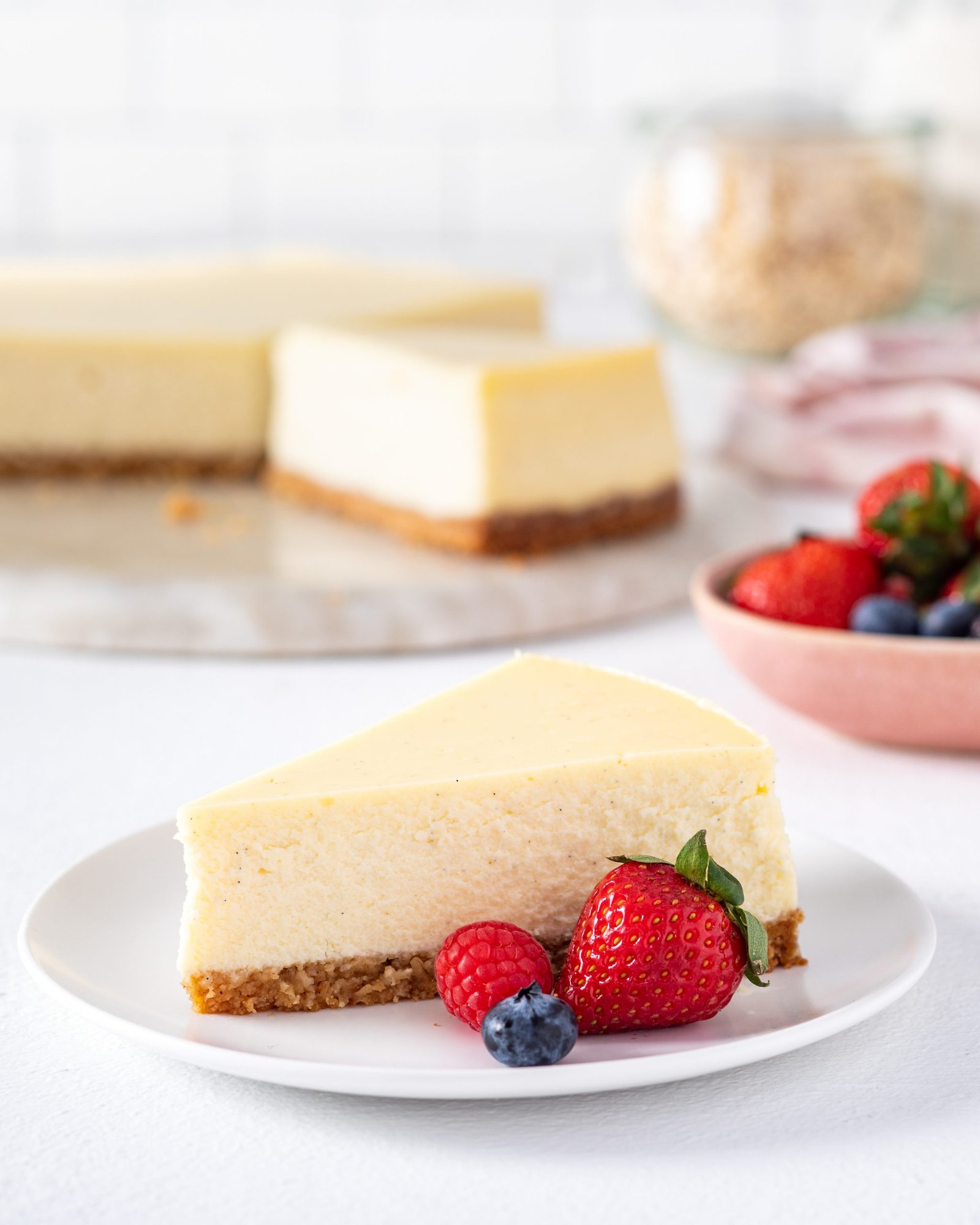
Cheesecake is one of the most beloved desserts in the world, celebrated for its creamy texture, rich flavor, and elegant presentation. Whether served plain or topped with fresh fruit, chocolate, or caramel, cheesecake is a timeless treat suitable for birthdays, holidays, dinner parties, or simply satisfying a sweet craving. This classic baked cheesecake recipe features a buttery graham cracker crust and a smooth, velvety cream cheese filling that bakes to perfection.
This guide will walk you through every step of the process, from choosing the right ingredients to baking and storing your cheesecake successfully.
Why You’ll Love This Cheesecake
This recipe is perfect because it:
- Has a rich, creamy texture
- Uses simple pantry ingredients
- Produces a bakery-quality dessert
- Can be customized with countless toppings
- Is beginner-friendly with detailed instructions
- Freezes beautifully for future enjoyment
Preparation Time
- Prep Time: 25 minutes
- Cook Time: 65–75 minutes
- Cooling Time: 2 hours
- Chilling Time: At least 6 hours (overnight recommended)
- Total Time: About 9 hours
- Servings: 12 slices
Ingredients
For the Graham Cracker Crust
- 2 cups graham cracker crumbs
- ½ cup unsalted butter, melted
- 2 tablespoons granulated sugar
- ½ teaspoon cinnamon (optional)
- Pinch of salt
For the Cheesecake Filling
- 4 packages (8 ounces each) full-fat cream cheese, softened
- 1¼ cups granulated sugar
- 1 cup sour cream
- 1 teaspoon vanilla extract
- 1 teaspoon fresh lemon juice
- 4 large eggs, room temperature
- 2 tablespoons all-purpose flour (optional for added stability)
- Pinch of salt
Optional Toppings
- Fresh strawberries
- Blueberries
- Raspberries
- Cherry pie filling
- Chocolate ganache
- Salted caramel sauce
- Whipped cream
- Lemon curd
- Crushed Oreos
- Toasted pecans
Equipment Needed
- 9-inch springform pan
- Large mixing bowls
- Electric mixer
- Rubber spatula
- Measuring cups and spoons
- Roasting pan (for water bath)
- Aluminum foil
- Cooling rack
Step 1: Prepare the Crust
Preheat your oven to 325°F (163°C).
Mix together:
- Graham cracker crumbs
- Sugar
- Melted butter
- Cinnamon
- Salt
Stir until every crumb is evenly coated.
Press the mixture firmly into the bottom and about one inch up the sides of the springform pan.
Use the bottom of a measuring cup to create a smooth, compact crust.
Bake the crust for 10 minutes.
Remove and allow it to cool while preparing the filling.
Step 2: Prepare the Cream Cheese
Ensure the cream cheese has softened at room temperature for at least one hour.
Soft cream cheese blends much more smoothly, reducing lumps in the batter.
Place it into a large mixing bowl.
Beat on medium speed until completely smooth.
Avoid overmixing, which incorporates unnecessary air.
Step 3: Add Sugar
Gradually add the sugar.
Continue beating until fully incorporated.
The mixture should become silky and creamy.
Scrape the sides of the bowl frequently.
Step 4: Add Remaining Ingredients
Mix in:
- Sour cream
- Vanilla
- Lemon juice
- Flour
- Salt
Blend until smooth.
Step 5: Add Eggs
Add the eggs one at a time.
Mix only until each egg disappears into the batter.
Do not overbeat.
Too much air causes cheesecakes to puff during baking and crack as they cool.
Step 6: Fill the Pan
Pour the filling into the cooled crust.
Spread evenly with a spatula.
Tap the pan gently on the countertop several times to release trapped air bubbles.
Step 7: Prepare a Water Bath
Wrap the outside of the springform pan with two layers of heavy-duty aluminum foil.
Place the cheesecake into a roasting pan.
Pour hot water into the roasting pan until it reaches halfway up the sides of the cheesecake pan.
The water bath helps create gentle, even heat.
Benefits include:
- Creamier texture
- Even baking
- Reduced cracking
- Moist baking environment
Step 8: Bake
Bake at 325°F (163°C) for approximately 65–75 minutes.
The cheesecake is done when:
- The edges are set
- The center still jiggles slightly
- The surface is lightly golden
Do not overbake.
The cheesecake will continue cooking while cooling.
Step 9: Cool Slowly
Turn off the oven.
Crack the oven door open slightly.
Leave the cheesecake inside for one hour.
This gradual cooling helps prevent cracks.
Remove from the water bath.
Run a thin knife around the edge.
Allow to cool completely at room temperature.
Step 10: Chill
Refrigerate for at least 6 hours.
For the best flavor and texture, chill overnight.
Cheesecake slices much more cleanly when thoroughly chilled.
Serving Suggestions
Serve plain or garnish with:
- Fresh berries
- Chocolate curls
- Caramel drizzle
- Strawberry sauce
- Blueberry compote
- Lemon zest
- Powdered sugar
- Whipped cream
Tips for Perfect Cheesecake
Use Full-Fat Cream Cheese
Reduced-fat cream cheese produces a softer, less creamy texture.
Bring Ingredients to Room Temperature
Cold ingredients create lumps.
Allow:
- Cream cheese
- Eggs
- Sour cream
to sit out before mixing.
Don’t Overmix
Too much air causes:
- Puffing
- Cracks
- Uneven texture
Mix only until combined.
Bake in a Water Bath
The water bath creates gentle heat and dramatically reduces cracking.
Cool Slowly
Rapid temperature changes often lead to surface cracks.
Patience produces better results.
Delicious Cheesecake Variations
Strawberry Cheesecake
Top with fresh strawberries and homemade strawberry sauce.
Blueberry Cheesecake
Cover with blueberry compote after chilling.
Chocolate Cheesecake
Add:
- 8 ounces melted dark chocolate
to the batter before baking.
Oreo Cheesecake
Replace graham crackers with crushed Oreos.
Fold chopped Oreos into the filling.
Pumpkin Cheesecake
Mix in:
- 1 cup pumpkin puree
- Cinnamon
- Nutmeg
- Ginger
- Cloves
Perfect for autumn holidays.
Lemon Cheesecake
Increase lemon juice and add lemon zest.
Top with lemon curd.
Salted Caramel Cheesecake
Drizzle caramel sauce over the chilled cheesecake.
Sprinkle flaky sea salt on top.
Raspberry Swirl Cheesecake
Swirl raspberry puree through the batter before baking.
Common Mistakes
Avoid these errors:
- Overmixing the batter
- Using cold ingredients
- Opening the oven frequently
- Skipping the water bath
- Overbaking
- Cutting before fully chilled
- Removing from the oven too quickly
Storage Instructions
Store covered in the refrigerator for up to 5 days.
Wrap tightly to prevent absorbing refrigerator odors.
Freezing Instructions
Cheesecake freezes exceptionally well.
To freeze:
- Chill completely.
- Wrap tightly in plastic wrap.
- Cover with aluminum foil.
- Freeze for up to 3 months.
Thaw overnight in the refrigerator before serving.
Nutrition Information (Per Slice)
Approximate values:
- Calories: 470
- Protein: 8g
- Fat: 34g
- Saturated Fat: 20g
- Carbohydrates: 34g
- Sugar: 27g
- Fiber: 1g
- Cholesterol: 145mg
- Sodium: 340mg
Nutritional values may vary depending on ingredients and toppings.
Frequently Asked Questions
Why did my cheesecake crack?
Cracks usually occur because of overmixing, overbaking, or rapid cooling. Using a water bath and cooling the cheesecake gradually can help prevent this.
Can I make cheesecake ahead of time?
Yes. Cheesecake is actually better when made a day in advance because chilling overnight improves both the texture and flavor.
Can I freeze cheesecake?
Absolutely. Wrap it well after chilling and freeze for up to three months. Thaw overnight in the refrigerator before serving.
Can I use digestive biscuits instead of graham crackers?
Yes. Digestive biscuits, vanilla wafers, or even crushed cookies make excellent alternatives for the crust.
How do I get clean slices?
Use a sharp knife dipped in hot water and wipe it clean between each cut. This creates smooth, professional-looking slices.
Final Thoughts
A classic cheesecake is a dessert that never goes out of style. With its crisp buttery crust and luxuriously creamy filling, it strikes the perfect balance between richness and elegance. While it may seem intimidating at first, following the proper techniques—using room-temperature ingredients, avoiding overmixing, baking with a water bath, and allowing ample chilling time—will reward you with a smooth, crack-free cheesecake that looks as impressive as it tastes.
Whether you enjoy it plain or dressed up with fruit, chocolate, caramel, or seasonal toppings, this cheesecake recipe is versatile enough for every occasion. Once you’ve mastered this classic version, you can easily experiment with endless flavor variations to create your own signature dessert. Enjoy every creamy, delicious slice!
Cheesecake is one of the most beloved desserts in the world, celebrated for its creamy texture, rich flavor, and elegant presentation. Whether served plain or topped with fresh fruit, chocolate, or caramel, cheesecake is a timeless treat suitable for birthdays, holidays, dinner parties, or simply satisfying a sweet craving. This classic baked cheesecake recipe features a buttery graham cracker crust and a smooth, velvety cream cheese filling that bakes to perfection.
This guide will walk you through every step of the process, from choosing the right ingredients to baking and storing your cheesecake successfully.
Why You’ll Love This Cheesecake
This recipe is perfect because it:
- Has a rich, creamy texture
- Uses simple pantry ingredients
- Produces a bakery-quality dessert
- Can be customized with countless toppings
- Is beginner-friendly with detailed instructions
- Freezes beautifully for future enjoyment
Preparation Time
- Prep Time: 25 minutes
- Cook Time: 65–75 minutes
- Cooling Time: 2 hours
- Chilling Time: At least 6 hours (overnight recommended)
- Total Time: About 9 hours
- Servings: 12 slices
Ingredients
For the Graham Cracker Crust
- 2 cups graham cracker crumbs
- ½ cup unsalted butter, melted
- 2 tablespoons granulated sugar
- ½ teaspoon cinnamon (optional)
- Pinch of salt
For the Cheesecake Filling
- 4 packages (8 ounces each) full-fat cream cheese, softened
- 1¼ cups granulated sugar
- 1 cup sour cream
- 1 teaspoon vanilla extract
- 1 teaspoon fresh lemon juice
- 4 large eggs, room temperature
- 2 tablespoons all-purpose flour (optional for added stability)
- Pinch of salt
Optional Toppings
- Fresh strawberries
- Blueberries
- Raspberries
- Cherry pie filling
- Chocolate ganache
- Salted caramel sauce
- Whipped cream
- Lemon curd
- Crushed Oreos
- Toasted pecans
Equipment Needed
- 9-inch springform pan
- Large mixing bowls
- Electric mixer
- Rubber spatula
- Measuring cups and spoons
- Roasting pan (for water bath)
- Aluminum foil
- Cooling rack
Step 1: Prepare the Crust
Preheat your oven to 325°F (163°C).
Mix together:
- Graham cracker crumbs
- Sugar
- Melted butter
- Cinnamon
- Salt
Stir until every crumb is evenly coated.
Press the mixture firmly into the bottom and about one inch up the sides of the springform pan.
Use the bottom of a measuring cup to create a smooth, compact crust.
Bake the crust for 10 minutes.
Remove and allow it to cool while preparing the filling.
Step 2: Prepare the Cream Cheese
Ensure the cream cheese has softened at room temperature for at least one hour.
Soft cream cheese blends much more smoothly, reducing lumps in the batter.
Place it into a large mixing bowl.
Beat on medium speed until completely smooth.
Avoid overmixing, which incorporates unnecessary air.
Step 3: Add Sugar
Gradually add the sugar.
Continue beating until fully incorporated.
The mixture should become silky and creamy.
Scrape the sides of the bowl frequently.
Step 4: Add Remaining Ingredients
Mix in:
- Sour cream
- Vanilla
- Lemon juice
- Flour
- Salt
Blend until smooth.
Step 5: Add Eggs
Add the eggs one at a time.
Mix only until each egg disappears into the batter.
Do not overbeat.
Too much air causes cheesecakes to puff during baking and crack as they cool.
Step 6: Fill the Pan
Pour the filling into the cooled crust.
Spread evenly with a spatula.
Tap the pan gently on the countertop several times to release trapped air bubbles.
Step 7: Prepare a Water Bath
Wrap the outside of the springform pan with two layers of heavy-duty aluminum foil.
Place the cheesecake into a roasting pan.
Pour hot water into the roasting pan until it reaches halfway up the sides of the cheesecake pan.
The water bath helps create gentle, even heat.
Benefits include:
- Creamier texture
- Even baking
- Reduced cracking
- Moist baking environment
Step 8: Bake
Bake at 325°F (163°C) for approximately 65–75 minutes.
The cheesecake is done when:
- The edges are set
- The center still jiggles slightly
- The surface is lightly golden
Do not overbake.
The cheesecake will continue cooking while cooling.
Step 9: Cool Slowly
Turn off the oven.
Crack the oven door open slightly.
Leave the cheesecake inside for one hour.
This gradual cooling helps prevent cracks.
Remove from the water bath.
Run a thin knife around the edge.
Allow to cool completely at room temperature.
Step 10: Chill
Refrigerate for at least 6 hours.
For the best flavor and texture, chill overnight.
Cheesecake slices much more cleanly when thoroughly chilled.
Serving Suggestions
Serve plain or garnish with:
- Fresh berries
- Chocolate curls
- Caramel drizzle
- Strawberry sauce
- Blueberry compote
- Lemon zest
- Powdered sugar
- Whipped cream
Tips for Perfect Cheesecake
Use Full-Fat Cream Cheese
Reduced-fat cream cheese produces a softer, less creamy texture.
Bring Ingredients to Room Temperature
Cold ingredients create lumps.
Allow:
- Cream cheese
- Eggs
- Sour cream
to sit out before mixing.
Don’t Overmix
Too much air causes:
- Puffing
- Cracks
- Uneven texture
Mix only until combined.
Bake in a Water Bath
The water bath creates gentle heat and dramatically reduces cracking.
Cool Slowly
Rapid temperature changes often lead to surface cracks.
Patience produces better results.
Delicious Cheesecake Variations
Strawberry Cheesecake
Top with fresh strawberries and homemade strawberry sauce.
Blueberry Cheesecake
Cover with blueberry compote after chilling.
Chocolate Cheesecake
Add:
- 8 ounces melted dark chocolate
to the batter before baking.
Oreo Cheesecake
Replace graham crackers with crushed Oreos.
Fold chopped Oreos into the filling.
Pumpkin Cheesecake
Mix in:
- 1 cup pumpkin puree
- Cinnamon
- Nutmeg
- Ginger
- Cloves
Perfect for autumn holidays.
Lemon Cheesecake
Increase lemon juice and add lemon zest.
Top with lemon curd.
Salted Caramel Cheesecake
Drizzle caramel sauce over the chilled cheesecake.
Sprinkle flaky sea salt on top.
Raspberry Swirl Cheesecake
Swirl raspberry puree through the batter before baking.
Common Mistakes
Avoid these errors:
- Overmixing the batter
- Using cold ingredients
- Opening the oven frequently
- Skipping the water bath
- Overbaking
- Cutting before fully chilled
- Removing from the oven too quickly
Storage Instructions
Store covered in the refrigerator for up to 5 days.
Wrap tightly to prevent absorbing refrigerator odors.
Freezing Instructions
Cheesecake freezes exceptionally well.
To freeze:
- Chill completely.
- Wrap tightly in plastic wrap.
- Cover with aluminum foil.
- Freeze for up to 3 months.
Thaw overnight in the refrigerator before serving.
Nutrition Information (Per Slice)
Approximate values:
- Calories: 470
- Protein: 8g
- Fat: 34g
- Saturated Fat: 20g
- Carbohydrates: 34g
- Sugar: 27g
- Fiber: 1g
- Cholesterol: 145mg
- Sodium: 340mg
Nutritional values may vary depending on ingredients and toppings.
Frequently Asked Questions
Why did my cheesecake crack?
Cracks usually occur because of overmixing, overbaking, or rapid cooling. Using a water bath and cooling the cheesecake gradually can help prevent this.
Can I make cheesecake ahead of time?
Yes. Cheesecake is actually better when made a day in advance because chilling overnight improves both the texture and flavor.
Can I freeze cheesecake?
Absolutely. Wrap it well after chilling and freeze for up to three months. Thaw overnight in the refrigerator before serving.
Can I use digestive biscuits instead of graham crackers?
Yes. Digestive biscuits, vanilla wafers, or even crushed cookies make excellent alternatives for the crust.
How do I get clean slices?
Use a sharp knife dipped in hot water and wipe it clean between each cut. This creates smooth, professional-looking slices.
Final Thoughts
A classic cheesecake is a dessert that never goes out of style. With its crisp buttery crust and luxuriously creamy filling, it strikes the perfect balance between richness and elegance. While it may seem intimidating at first, following the proper techniques—using room-temperature ingredients, avoiding overmixing, baking with a water bath, and allowing ample chilling time—will reward you with a smooth, crack-free cheesecake that looks as impressive as it tastes.
Whether you enjoy it plain or dressed up with fruit, chocolate, caramel, or seasonal toppings, this cheesecake recipe is versatile enough for every occasion. Once you’ve mastered this classic version, you can easily experiment with endless flavor variations to create your own signature dessert. Enjoy every creamy, delicious slice!
