
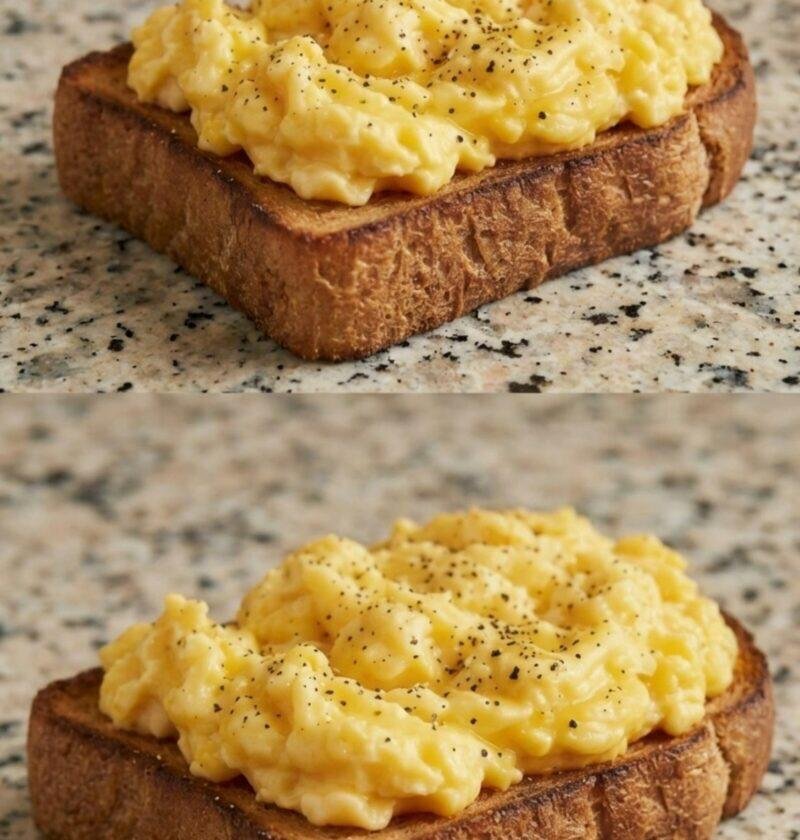
luffy Scrambled Eggs
Fluffy scrambled eggs are one of the simplest breakfast dishes, yet they are also one of the easiest to get wrong. Perfect scrambled eggs should be light, creamy, soft, and packed with rich buttery flavor. Whether you are preparing a quick weekday breakfast or a leisurely weekend brunch, mastering fluffy scrambled eggs will instantly improve your cooking skills. With just a few basic ingredients and the right cooking technique, you can create restaurant-quality scrambled eggs in less than 10 minutes.
The secret to fluffy scrambled eggs isn’t complicated. It comes down to using fresh eggs, whisking them properly, cooking over low heat, and avoiding overcooking. This guide will show you everything you need to know—from selecting ingredients to common mistakes—so your scrambled eggs turn out perfectly every time.
Why You’ll Love This Recipe
This fluffy scrambled egg recipe is:
- Ready in under 10 minutes.
- Soft, creamy, and perfectly fluffy.
- Made with everyday ingredients.
- Great for breakfast, brunch, or breakfast-for-dinner.
- Easy to customize with herbs, cheese, or vegetables.
- High in protein and naturally gluten-free.
Ingredients
- 4 large eggs
- 2 tablespoons whole milk or heavy cream (optional for extra creaminess)
- 1 tablespoon butter
- ¼ teaspoon salt
- ¼ teaspoon freshly ground black pepper
- Chopped fresh chives or parsley (optional, for garnish)
Optional Add-Ins
Once you’ve mastered the basic recipe, try adding:
- Shredded cheddar cheese
- Parmesan cheese
- Mozzarella
- Crumbled feta
- Spinach
- Mushrooms
- Bell peppers
- Diced tomatoes
- Green onions
- Cooked bacon
- Smoked salmon
- Fresh dill
- Avocado slices
Equipment Needed
- Medium mixing bowl
- Whisk or fork
- Non-stick skillet
- Silicone spatula
A non-stick skillet is highly recommended because it prevents sticking and makes stirring much easier.
Step-by-Step Instructions
Step 1: Crack the Eggs
Crack the eggs into a mixing bowl. Check for shell fragments before continuing.
Step 2: Whisk Thoroughly
Add the milk or cream if using.
Whisk vigorously for about one minute until the yolks and whites are completely combined.
The mixture should become slightly lighter in color and have tiny bubbles throughout.
Whisking incorporates air into the eggs, which helps create a fluffier texture.
Step 3: Heat the Pan
Place the skillet over low to medium-low heat.
Add the butter.
Allow it to melt gently without browning.
Brown butter changes the flavor and may cause the eggs to cook too quickly.
Step 4: Add the Eggs
Pour the egg mixture into the warm pan.
Wait about 10–15 seconds before stirring.
This allows a soft layer to begin setting.
Step 5: Stir Slowly
Using a silicone spatula, gently push the eggs from the edges toward the center.
Continue folding the eggs rather than constantly stirring.
Large, slow folds create soft, fluffy curds.
Step 6: Remove Before Fully Cooked
When the eggs are about 90% cooked, remove the pan from the heat.
Residual heat will finish cooking them.
This prevents dry, rubbery eggs.
Step 7: Season and Serve
Add salt and pepper.
Sprinkle with fresh herbs if desired.
Serve immediately while warm and creamy.
Tips for Extra Fluffy Scrambled Eggs
1. Use Fresh Eggs
Fresh eggs have firmer whites that create a better texture.
2. Whisk Well
Many people stop whisking too soon.
Whisk until no streaks of white remain.
The more evenly mixed the eggs are, the fluffier they become.
3. Cook Slowly
Low heat is one of the biggest secrets.
High heat causes proteins to tighten too quickly, making the eggs tough.
4. Butter Works Best
Butter adds flavor while helping create a silky texture.
5. Don’t Overcook
Eggs continue cooking after leaving the stove.
Always remove them while they still look slightly glossy.
6. Stir Gently
Aggressive stirring creates tiny, dry curds.
Slow folding creates larger, softer pieces.
Common Mistakes to Avoid
Cooking on High Heat
Fast cooking usually produces dry eggs.
Adding Salt Too Early
Some cooks prefer adding salt near the end to maintain a softer texture.
Using a Cold Pan
A slightly warm pan helps eggs cook evenly.
Overmixing During Cooking
Constant stirring breaks apart the curds.
Waiting Too Long to Serve
Scrambled eggs taste best immediately after cooking.
Delicious Serving Ideas
Fluffy scrambled eggs pair beautifully with:
- Buttered toast
- English muffins
- Croissants
- Bagels
- Fresh fruit
- Hash browns
- Roasted potatoes
- Bacon
- Sausage
- Smoked salmon
- Sliced avocado
- Fresh tomatoes
They also make an excellent filling for breakfast burritos and breakfast sandwiches.
Variations
Cheesy Scrambled Eggs
Add ½ cup shredded cheddar during the final minute of cooking.
Herb Scrambled Eggs
Mix in chopped parsley, dill, basil, or chives.
Cream Cheese Eggs
Stir in one tablespoon of cream cheese while cooking.
The result is incredibly rich and creamy.
Mediterranean Style
Add:
- Crumbled feta
- Spinach
- Cherry tomatoes
- Fresh oregano
Spicy Eggs
Season with:
- Red pepper flakes
- Jalapeños
- Hot sauce
- Cayenne pepper
Mushroom Scramble
Cook sliced mushrooms in butter first before adding the eggs.
Nutrition Information (Approximate Per Serving)
- Calories: 220
- Protein: 14g
- Fat: 18g
- Carbohydrates: 2g
- Fiber: 0g
- Sugar: 1g
- Sodium: 230mg
Nutrition will vary depending on additional ingredients.
Storage
Scrambled eggs are best eaten fresh.
However, leftovers can be refrigerated in an airtight container for up to two days.
Reheat gently in a skillet over low heat or microwave in short intervals.
Avoid overheating, as this can make them rubbery.
Frequently Asked Questions
Why are my scrambled eggs watery?
Watery eggs usually result from overcooking or cooking at too high a temperature. Gentle heat helps moisture stay within the eggs instead of separating out.
Is milk necessary?
No. Milk is optional. Some chefs prefer using only eggs and butter, while others enjoy the extra creaminess that milk or cream provides.
Can I make scrambled eggs without butter?
Yes. Olive oil or a neutral cooking oil works well, though butter offers the richest flavor and texture.
Why do restaurant scrambled eggs taste better?
Restaurants often cook eggs over very low heat, use generous amounts of butter, and remove them from the heat before they are fully set. This careful technique creates soft, creamy curds that are difficult to achieve with rushed cooking.
How do I make scrambled eggs even fluffier?
Whisk thoroughly to incorporate air, cook over low heat, and fold the eggs gently with a silicone spatula. Some cooks also add a splash of sparkling water for extra lift, though it isn’t necessary for excellent results.
Final Thoughts
Fluffy scrambled eggs are a timeless breakfast favorite because they are quick, nourishing, and incredibly satisfying. Although the ingredient list is short, the cooking method makes all the difference. Whisking the eggs well, using butter, cooking over gentle heat, and removing the eggs from the pan before they are fully set will reward you with soft, creamy curds every time.
Once you’ve mastered the classic version, don’t hesitate to experiment with cheeses, herbs, vegetables, or proteins to create your own signature scramble. Whether served alongside crispy toast, fresh fruit, or tucked into a warm breakfast sandwich, fluffy scrambled eggs are a comforting meal that never goes out of style. With this recipe in your kitchen repertoire, you’ll be able to enjoy perfectly light, tender, and delicious scrambled eggs whenever the craving strikes.
