
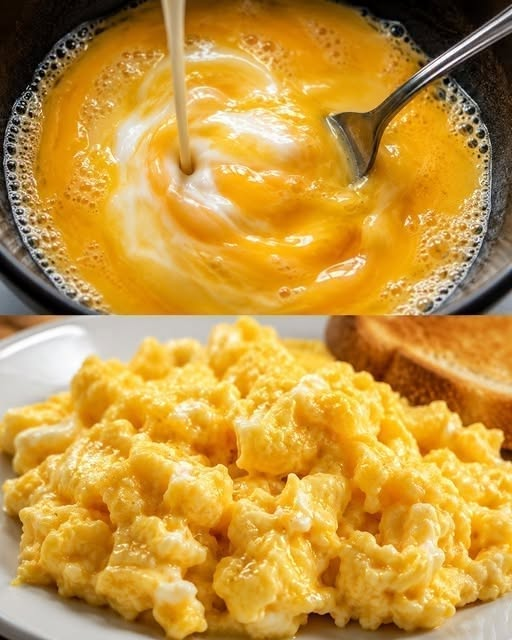
Creamy Healthy Soft Scrambled Eggs (Complete Recipe)
Soft scrambled eggs are one of the simplest yet most satisfying breakfast dishes you can make. Unlike traditional scrambled eggs that are cooked quickly over high heat, soft scrambled eggs are cooked gently over low heat, resulting in a rich, creamy, silky texture. This healthier version uses minimal butter or olive oil, relies on slow cooking instead of heavy cream, and produces restaurant-quality eggs that are packed with protein and nutrients.
Whether you’re preparing breakfast, brunch, or a quick high-protein meal, this recipe is easy enough for beginners and delicious enough for experienced home cooks.
Creamy Healthy Soft Scrambled Eggs
Preparation Time
- Prep Time: 5 minutes
- Cooking Time: 8–10 minutes
- Total Time: 15 minutes
Servings: 2
Ingredients
- 4 large fresh eggs
- 1 tablespoon milk (optional, for extra creaminess)
- 1 teaspoon olive oil or 1 teaspoon unsalted butter
- ¼ teaspoon sea salt
- ⅛ teaspoon freshly ground black pepper
- 1 teaspoon chopped fresh chives (optional)
- 1 teaspoon chopped parsley (optional)
Optional Healthy Additions
- ½ teaspoon nutritional yeast
- 1 tablespoon plain Greek yogurt
- ¼ teaspoon garlic powder
- Pinch of paprika
- Baby spinach
- Sliced avocado
- Cherry tomatoes
- Smoked salmon
- Sautéed mushrooms
Equipment Needed
- Non-stick frying pan
- Silicone spatula
- Medium bowl
- Whisk or fork
- Measuring spoons
Step 1: Choose Fresh Eggs
The quality of your eggs has a significant impact on the final dish. Fresh eggs produce firmer whites and richer yolks, creating a naturally creamy scramble.
If possible, choose:
- Free-range eggs
- Organic eggs
- Farm-fresh eggs
Fresh eggs contain more flavor and nutrients.
Step 2: Crack and Beat the Eggs
Crack all four eggs into a bowl.
Add:
- Salt
- Pepper
- Milk (optional)
Whisk thoroughly for about one minute.
The goal is to fully combine the yolks and whites until the mixture becomes smooth and slightly frothy.
Whisking incorporates tiny air bubbles that make the eggs light and fluffy while still remaining creamy.
Step 3: Heat the Pan
Place a non-stick skillet over low heat.
Add:
- Olive oil
or - Butter
Allow it to melt gently.
Do not let the butter brown.
The pan should feel warm—not hot.
Low heat is the secret to soft scrambled eggs.
Step 4: Add the Eggs
Pour the beaten eggs into the pan.
Leave them untouched for about 20 seconds.
The edges will begin to set slightly.
Step 5: Stir Slowly
Using a silicone spatula, gently push the eggs from the edges toward the center.
Continue making slow folding motions.
Avoid vigorous stirring.
The eggs should form soft folds rather than tiny dry pieces.
Patience creates creaminess.
Step 6: Cook Gently
Continue cooking over low heat.
Every few seconds:
- Push
- Fold
- Pause
The eggs will slowly thicken.
Do not rush.
Slow cooking prevents rubbery eggs.
Step 7: Remove Before Fully Cooked
When the eggs are about 90% cooked, remove the pan from the heat.
They should still appear:
- Slightly glossy
- Moist
- Soft
Residual heat will finish cooking them.
Overcooked eggs quickly become dry.
Step 8: Add Greek Yogurt (Optional)
For an even creamier texture, stir in:
1 tablespoon plain Greek yogurt
Mix gently.
The yogurt melts into the eggs while adding protein without making them heavy.
Step 9: Garnish
Sprinkle with:
- Fresh chives
- Parsley
- Black pepper
Serve immediately.
Soft scrambled eggs should never sit in the pan for long because they continue cooking.
Tips for Perfect Soft Scrambled Eggs
1. Use Low Heat
High heat causes eggs to cook too quickly.
Low heat creates silky curds.
2. Keep Stirring Gently
Do not beat the eggs while they cook.
Fold them slowly.
3. Remove Early
Eggs continue cooking after leaving the stove.
Taking them off slightly early keeps them creamy.
4. Avoid Too Much Milk
Too much liquid can make eggs watery.
One tablespoon is enough.
5. Don’t Overcrowd the Pan
A medium pan gives the eggs room to cook evenly.
6. Use a Silicone Spatula
Silicone gently moves the eggs without scratching the pan.
Healthy Variations
Spinach Soft Scrambled Eggs
Add one handful of baby spinach during the final minute.
The spinach wilts quickly while increasing vitamins and fiber.
Mushroom Version
Cook sliced mushrooms first.
Remove excess moisture.
Then scramble the eggs.
Avocado Version
Top the finished eggs with sliced avocado.
Healthy fats pair perfectly with creamy eggs.
Smoked Salmon Version
Add thin slices of smoked salmon after cooking.
Do not cook the salmon.
The gentle heat warms it naturally.
Mediterranean Style
Mix in:
- Tomatoes
- Fresh basil
- Spinach
- Feta cheese
This version is colorful and flavorful.
Serving Suggestions
Creamy soft scrambled eggs taste wonderful with:
- Whole-grain toast
- Rye bread
- Sourdough
- Avocado toast
- Fresh fruit
- Roasted tomatoes
- Grilled asparagus
- Sautéed mushrooms
- Breakfast potatoes
- Mixed greens
- Turkey bacon
- Fresh herbs
Nutritional Information (Approximate Per Serving)
- Calories: 180
- Protein: 14 g
- Fat: 13 g
- Carbohydrates: 2 g
- Fiber: 0 g
- Sugar: 1 g
- Sodium: 240 mg
- Cholesterol: 370 mg
Nutrition will vary depending on optional ingredients.
Storage
Soft scrambled eggs are best enjoyed immediately.
If you have leftovers:
- Refrigerate in an airtight container.
- Consume within 24 hours.
Reheat gently over low heat or in short microwave intervals (10–15 seconds), stirring between each interval to avoid overcooking.
Common Mistakes to Avoid
Cooking over high heat: This makes eggs tough and dry.
Overcooking: Soft scrambled eggs should remain slightly glossy.
Not whisking enough: Poorly mixed eggs cook unevenly.
Using too much butter or oil: A small amount is enough to prevent sticking while keeping the dish lighter.
Leaving eggs in the hot pan: Residual heat continues cooking the eggs, so transfer them to a plate as soon as they reach the desired consistency.
Why This Recipe Is Healthy
Eggs are a nutrient-dense food that provide high-quality protein along with essential vitamins and minerals such as vitamin B12, vitamin D, selenium, and choline. Choline supports normal brain function, while protein helps with muscle maintenance and keeps you feeling full for longer.
This recipe keeps the ingredients simple, using only a small amount of healthy fat and relying on slow cooking to create a creamy texture instead of heavy cream. Adding Greek yogurt is an optional way to increase protein while maintaining a rich consistency. Fresh herbs, vegetables, or avocado can further boost the nutritional value by adding fiber, vitamins, and healthy fats.
Because the eggs are cooked gently over low heat, they retain a soft, delicate texture that many people prefer over dry, firm scrambled eggs. The result is a breakfast that is both comforting and nourishing.
Final Thoughts
Creamy healthy soft scrambled eggs prove that a simple recipe can deliver exceptional flavor and texture. The key is patience: whisk the eggs well, cook them slowly over low heat, stir gently, and remove them from the heat while they are still slightly glossy. These small techniques transform ordinary scrambled eggs into a luxurious meal with minimal effort.
Enjoy them on whole-grain toast, alongside fresh fruit, or paired with vegetables for a balanced breakfast. Whether you are making a quick weekday meal or serving a leisurely weekend brunch, this recipe offers a delicious combination of simplicity, nutrition, and creamy perfection.
